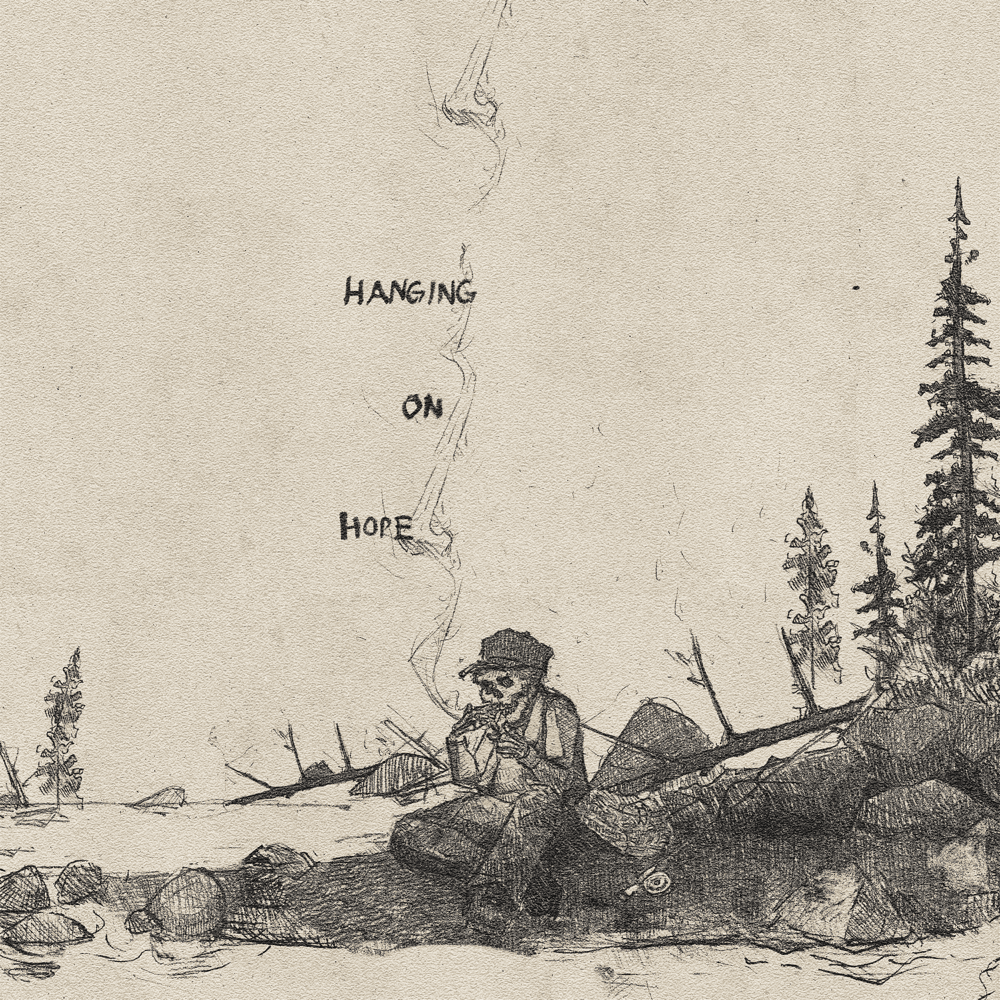
Unpacking Hanging on Hope: Longing & Connection in Buffalo Traffic Jam
In the vast landscape of modern music, certain songs resonate with a profound authenticity, striking a chord deep within the human experience. One such gem is "Hanging on Hope" by Buffalo Traffic Jam, a track that deftly navigates the intricate emotional terrain of vulnerability, longing, and the enduring power of connection. More than just a melody, it's an introspective journey that captures the tension between personal struggle and the desperate, yet essential, need for human warmth. This article dives into the heart of what makes "Hanging on Hope Buffalo Traffic Jam" such a compelling piece, exploring its lyrical depth, emotional landscape, and the universal truths it uncovers about our resilience.
Deconstructing the Emotional Core: Vulnerability and the Search for Clarity
The opening verses of "Hanging on Hope" by Buffalo Traffic Jam immediately plunge listeners into a world of quiet turmoil. The singer's admission that life has been "a bit rough and confusing lately" is instantly relatable. This isn't a dramatic cry for help, but a more subtle, weary acknowledgment of the mental and emotional toll taken by uncertainty. The imagery of "traveling down quiet backroads" isn't merely a setting; it's a metaphor for introspection, for seeking space away from the main thoroughfares of life to process, to discover things previously unknown. It speaks to those moments when we intentionally, or unintentionally, step off the well-trodden path to find a semblance of understanding.
The struggle to follow "someone else's path" while still craving personal clarity highlights a common dilemma: the temptation to lean on external guidance when our internal compass feels broken. This internal conflict is further emphasized by the feeling of a mind that's "heavy and broken," a visceral description of mental exhaustion. In a world constantly demanding answers and direction, the song bravely articulates the confusion of trying to reconcile one's own complex emotions with the advice or expectations of others. It’s a powerful reminder that while external support is invaluable, the ultimate clarity often comes from within, painstakingly pieced together during these introspective journeys.
The Paradox of Connection: Embracing Imperfection for Belonging
Perhaps one of the most poignant themes in "Hanging on Hope" Buffalo Traffic Jam explores is the paradoxical nature of human connection. The singer’s stark admission that "even if relationships are messy or painful, it's still better than being completely alone" is a testament to the fundamental human need for belonging. This isn't a naive endorsement of unhealthy dynamics, but rather a courageous acknowledgment that true connection, with all its inherent difficulties, offers a lifeline that solitude cannot. It reveals a profound desire to be seen, loved, and healed, even if the path to that healing is fraught with challenges and discomfort. It's an embrace of imperfection, understanding that genuine intimacy often comes with complexities that test our patience and resilience.
Here, "Hanging on hope" transforms from a passive state into an active anchor. It becomes the essential, albeit fragile, force that keeps the individual connected to others and to life itself. The very repetition within the song emphasizes its critical role—it's not just a fleeting wish, but a deliberate, conscious choice to maintain a grip on the possibility of brighter days and stronger bonds. This resilience in the face of relational difficulties is a core part of the song's message, as further explored in Hanging on Hope Lyrics Explained: Buffalo Traffic Jam's Emotional Depths.
Tips for Fostering Imperfect Connections:
- Practice Radical Honesty: Be open about your struggles and needs, inviting others to meet you where you are, rather than where you pretend to be.
- Embrace Vulnerability: Share your authentic self, flaws and all. True connection thrives when we allow ourselves to be truly seen.
- Set Healthy Boundaries: While embracing messiness, ensure you're not sacrificing your well-being. Define what you need for healthy engagement.
- Cultivate Empathy: Understand that others are navigating their own complexities. Extend grace and patience, just as you hope to receive it.
Navigating Life's "Traffic Jams": Finding Solace and Strength
The very name "Buffalo Traffic Jam" combined with the song's themes creates a powerful metaphor for life's inevitable stoppages, frustrations, and moments of internal gridlock. The song vividly describes restless nights and the temptation of "temporary escapes," painting a picture of inner struggles that are often hidden from the world. We all have our own versions of these traffic jams – periods of stagnation, anxiety, or unresolved feelings where our minds race but our lives seem stuck. Staring at the sky, as the singer describes, becomes a universal gesture of searching for answers, comfort, or simply a momentary release from the overwhelming weight of internal battles.
In these moments of profound internal struggle, the significance of external validation or even a small gesture cannot be overstated. "Hanging on Hope Buffalo Traffic Jam" beautifully illustrates how even tiny acts of care – a kind word, a shared glance, a brief moment of understanding – can make a noticeable difference. These are the unexpected green lights in our personal traffic jams, bringing brief moments of lightness amid the heaviness. They are not grand solutions, but critical injections of hope that affirm our worth and remind us we are not entirely alone in our struggle.
Practical Strategies for Navigating Personal "Traffic Jams":
- Mindfulness and Journaling: Engage in practices that help you acknowledge and process your thoughts without judgment.
- Healthy Coping Mechanisms: Distinguish between temporary escapes (which often delay healing) and constructive coping strategies like exercise, creative pursuits, or meditation.
- Seek Professional Support: Sometimes, navigating complex emotional traffic jams requires the guidance of a therapist or counselor.
- Identify Your "Green Lights": Recognize and actively seek out the small, positive interactions or moments that bring you relief and hope.
The Ripple Effect of Empathy: Why Small Gestures Matter
The song delves into moments of regret and reflection, particularly regarding the distance that can grow in relationships. The poignant acknowledgment that "the other person may not have needed them in the same way" speaks to the often-unseen imbalances and unspoken struggles within human connections. It’s a mature reflection on accountability, the wear and tear relationships endure, and the sobering truth that emotional strain isn't always visible to the naked eye. Misunderstandings, uncommunicated needs, and assumptions can weigh heavily, contributing to a sense of drift.
Yet, within this reflective sorrow, the song reinforces the incredible power of small gestures. It’s not about grand declarations, but the quiet, consistent acts of kindness and recognition that sustain us. These are the threads that prevent relationships from unraveling, the subtle affirmations that keep us "hanging on hope." This deep dive into the nuances of human connection and resilience is further explored in Buffalo Traffic Jam's Hanging on Hope: A Deep Dive into Resilience.
Cultivating Empathy and Connection Through Small Gestures:
- Active Listening: Truly hear what others are saying, both verbally and non-verbally, without immediately formulating your response.
- Thoughtful Check-ins: A simple text or call to say "thinking of you" can make a significant difference.
- Remember Details: Recalling small facts about a person's life shows you care and pay attention.
- Offer Practical Help: Sometimes, the most empathetic gesture is offering tangible support, even for seemingly minor tasks.
Conclusion
"Hanging on Hope" by Buffalo Traffic Jam is more than just a song; it's a profound exploration of the human spirit's capacity to endure, to long, and to connect despite adversity. Through its raw vulnerability and poignant insights, it reminds us that navigating life's inevitable "traffic jams" is a shared experience. The song articulates the messy beauty of human relationships, the silent battles we fight, and the incredible, sustaining power of hope—a fragile but essential anchor in a sea of uncertainty. It's a testament to the idea that even when life feels broken, clinging to hope and reaching out for genuine connection can illuminate the path forward, proving that no matter how rough the road, the longing for belonging will always find a way to keep us moving.